- Mon. Nov 9th, 2026
TOP CATEGORY


MORE ABOUT PSYCHEDELIC
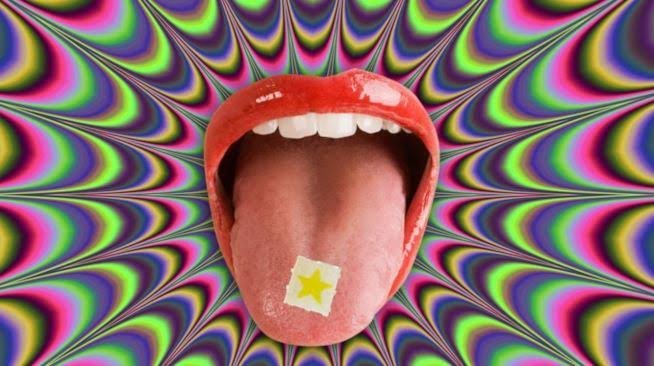
Psychedelic is a substance or artistic style that profoundly alters consciousness, perception, and awareness, literally translating from Greek as "mind-manifesting". Core Definitions• As a substance: A class of mind-altering drugs (such as LSD, psilocybin, or mescaline) that trigger vivid sensory distortions, hallucinations, and expanded states of awareness by activating serotonin receptors.• As an aesthetic: A style of art, fashion, and music—popularized during the mid-to-late 1960s—defined by intense, fluorescent colors, swirling patterns, and experimental sounds meant to mimic or evoke drug-induced experiences.• Origin: Coined in 1956 by British psychiatrist Dr. Humphry Osmond, combining the Greek words psyche (mind/soul) and deloun (to make manifest/reveal)
There are over 200 distinct species of psychedelic mushrooms distributed globally across several genera, primarily defined by the presence of the psychoactive compounds psilocybin and psilocin. When discussing types of "magic mushrooms," mycologists differentiate between separate biological species and cultivated strains (phenotypes selectively bred within a single species). The primary species and strains are categorized below by their natural habitats, physical characteristics, and average chemical potency.
Psychedelics are increasingly recognized in modern clinical research for their rapid, profound, and lasting therapeutic advantages, primarily when paired with structured psychotherapy. Unlike conventional medications that manage daily symptoms, psychedelics appear to rewrite long-standing behavioral and cognitive patterns
Rapid and Long-Lasting Mental Health Relief: Traditional psychiatric medications like SSRIs can take weeks to become effective and require daily adherence. In contrast, clinical trials show that a single dose or a few supervised sessions of certain psychedelics can alleviate severe psychiatric symptoms almost immediately, with benefits that can persist for months or even years.
Treatment-Resistant Depression: Psilocybin (the active compound in "magic mushrooms") offers deep, fast-acting antidepressant effects for patients who have found no relief from standard treatments.
PTSD Mitigation: MDMA-assisted therapy has shown breakthrough efficacy in substantially decreasing severe symptoms of post-traumatic stress disorder, helping patients process trauma safely.
End-of-Life Anxiety: For patients dealing with terminal or advanced cancer, clinical trials by institutions like NYU Langone Health found that a single psilocybin treatment drastically reduced existential distress, hopelessness, and depression for years.
Accelerated Brain Neuroplasticity : At a neurological level, psychedelics function as powerful catalyst mechanisms for the brain.

Re-growing Synapses: According to the National Institutes of Health (NIH), psychedelics cross neuronal membranes to bind to intracellular 5-HT2A receptors, prompting the rapid growth of dendritic spines and synapse regeneration in the prefrontal cortex faster than standard antidepressants.
Breaking Rigid Habits: Substances like LSD and psilocybin temporarily disrupt the Default Mode Network (DMN)—the brain network responsible for self-reflection and habitual thought cycles. By "scrambling" this network, the brain becomes highly adaptable, allowing individuals to successfully break free from entrenched, negative thinking loops. Disrupting Substance AddictionPsychedelics show substantial promise in treating severe substance use disorders. By fostering cognitive flexibility, therapies utilizing psilocybin, ketamine, and ayahuasca have demonstrated success in reducing dependence on tobacco, alcohol, and opioids. They help patients reset their reward pathways and approach their underlying addiction triggers with a fresh perspective.
Transcendent and Mystical Perspectives: One of the unique advantages of psychedelics over traditional pharmacology is that the subjective quality of the experience matters.
Altered States of Consciousness: Psychedelics routinely induce profound mystical, ego-dissolving, or transcendent experiences.Cognitive Reframing: These shifts in awareness provide patients with powerful objective distance from their personal struggles. This frequently yields a renewed sense of purpose, increased spiritual well-being, and a broader emotional perspective that stays with the individual long after the drug metabolizes. : Achieving these advantages depends strictly on controlled clinical dosages, psychological preparation, and a safe, professionally guided setting, as unmonitored use carries risks of acute psychological distress.To help narrow this down, please let me know if you are interested in:The advantages of a specific substance (e.g., Psilocybin vs. MDMA vs. Ketamine)The clinical protocols behind psychedelic-assisted psychotherapyThe current legal and medical approval status of these treatments.